Engage your audience by creating culturally-sensitive content that actually resonates with them—building trust and support for your cause, instead of pissing them off and getting you cancelled.
If you’ve been in this space as long as I have, you’ve seen how the way we communicate has shifted. February, with its spotlight on Black History Month, is always a reminder of how important it is for organizations—especially non-profits and advocacy groups—to not just talk about diversity but to live it through their messaging.
Creating culturally-sensitive content means crafting connections that truly resonate with diverse communities. It’s about listening, understanding, engaging, and earning trust through genuine effort. And trust me, after 20+ years in this work, I know that when it’s done right, it can be transformative.
So, where do we begin? Let’s explore the why, what, and how of creating content that’s not only culturally aware but also intentional and impactful.
Why Culturally-Sensitive Content Matters
Let’s be real: creating content that respects and acknowledges cultural differences isn’t optional anymore—it’s essential. We live in an interconnected, global world where people are paying attention, and audiences don’t hold back when something feels off. Overlooking cultural nuances can lead to:
- Miscommunication: Your message might miss the mark or be misunderstood entirely.
- Backlash: A poorly executed campaign can damage trust overnight.
- Alienation: Failing to connect authentically can distance you from the very communities you aim to serve.
- “Cancel Culture” Consequences: Social media amplifies everything. Missteps can quickly spiral into reputational damage.
But when you get it right? It builds trust. It fosters connection. It positions your organization as a leader in not just what you do but how you do it.
How to Understand Your Audience
Let’s be honest—if you don’t truly understand who you’re speaking to, even the most well-intentioned message can miss the mark. Creating culturally-sensitive content begins with doing the groundwork to deeply know and appreciate the communities you want to engage.
This isn’t just about demographics; it’s about grasping the nuances of their histories, values, challenges, and aspirations. Building authentic connections requires stepping outside your own perspective and taking the time to listen, learn, and engage thoughtfully.
But here’s the kicker—you can’t rely on guesswork or assumptions. You need people in the room who represent your audience. Stop being scared to ask the tough questions and be real about what you don’t know. This is a space where authenticity matters, and the best way to get it right is to involve the people who are living the experiences you want to highlight.
By prioritizing this understanding, you not only ensure your content resonates but also demonstrate genuine respect and care for the people you’re trying to reach. Here’s how to get started:
- Research: Learn about the histories, values, and lived experiences of the communities you want to engage with.
- Use the Right Tools: Analytics, surveys, and social listening can help you gather insights.
- Context Is Everything: Consider regional, historical, and linguistic nuances.
- Engage Directly: Don’t assume—ask. Talk to people in those communities. Their perspectives will guide you.
Principles of Culturally-Sensitive Content
Creating culturally-sensitive content requires thoughtfulness, humility, and a commitment to understanding the people you’re trying to reach. Every piece of content you craft carries the potential to build bridges or reinforce divides, so it’s essential to approach this work with care.
At the heart of culturally-sensitive content lies the principle of respect: respect for differences, for lived experiences, and for the unique stories that shape each community. By keeping these principles in focus, you ensure that your messaging uplifts and empowers rather than alienates or stereotypes.
Here are the foundational guidelines to help you navigate this terrain with confidence and authenticity:
- Avoid Stereotypes: Don’t rely on tropes or oversimplifications.
- Be Inclusive: Representation matters. Make sure your visuals, language, and stories reflect the diversity of the world we live in.
- Understand Taboos: What’s harmless in one culture can be deeply offensive in another.
- Adapt Your Tone: The same message won’t resonate the same way across different groups. Tailor your approach.
Steps to Create Culturally-Sensitive Content
Creating culturally-sensitive content isn’t a one-and-done task—it’s an ongoing process that requires care, intention, and collaboration. Every step is an opportunity to listen, learn, and refine. Whether you’re crafting a campaign for a global audience or connecting with a local community, the key is to prioritize authenticity and respect at every stage.
This isn’t about perfection; it’s about a willingness to grow and a commitment to getting it right. Over the years, I’ve followed a process that has helped me stay intentional and grounded when creating content that resonates. Here’s a roadmap to guide you:
- Start with Research: Before you create anything, educate yourself about the community you’re addressing.
- Collaborate with Experts: Partner with cultural consultants or leaders from the communities you’re engaging with.
- Localize, Don’t Just Translate: A literal translation isn’t enough. Nuance matters.
- Test Before Launching: Get feedback from diverse focus groups.
- Learn and Adjust: Listen to the feedback and don’t be afraid to evolve your approach.
Common Mistakes to Avoid
Even the most well-meaning efforts can fall flat if cultural nuances aren’t handled with care. Missteps often arise not from malice but from oversight or a lack of context. That’s why it’s so important to slow down and approach your content with intentionality.
One mistake I’ve seen too often? Assuming that identifying as a person of colour automatically means someone is radicalized, Black, or from an underrepresented community. But that’s not the case. Not every person of colour shares the same experiences or faces the same challenges, and it’s crucial to recognize that.
The goal isn’t just to avoid backlash—it’s to build trust and foster meaningful connections. We’ve all seen how easily these common mistakes can derail even the most promising campaigns. Here are a few pitfalls to watch for and avoid:
- Ignoring Context: A message that resonates in one community might not in another.
- Tokenizing Diversity: Inclusion isn’t about checking a box. It’s about genuine, thoughtful representation.
- Overlooking Language Nuances: A poorly translated phrase can undo all your hard work.
If we want our content to truly connect and have a lasting impact, it starts with acknowledging and understanding these deeper layers.
Tools to Help You Get It Right
Navigating the nuances of culturally-sensitive content can feel overwhelming at times, but the good news is you don’t have to do it alone. There’s an abundance of resources to help ensure your content is thoughtful, inclusive, and impactful.
From tools that aid with language localization to platforms that offer diverse visuals, leveraging the right support can make all the difference. Here are some practical tools I’ve found invaluable over the years:
- Language Localization Tools: DeepL and Google Translate (always paired with human review).
- Diverse Visuals: Platforms like Pexels, Nappy, Stocksy, and Unsplash offer culturally diverse imagery.
- Inclusive Language Guides: APA and similar guides provide helpful tips for respectful communication.
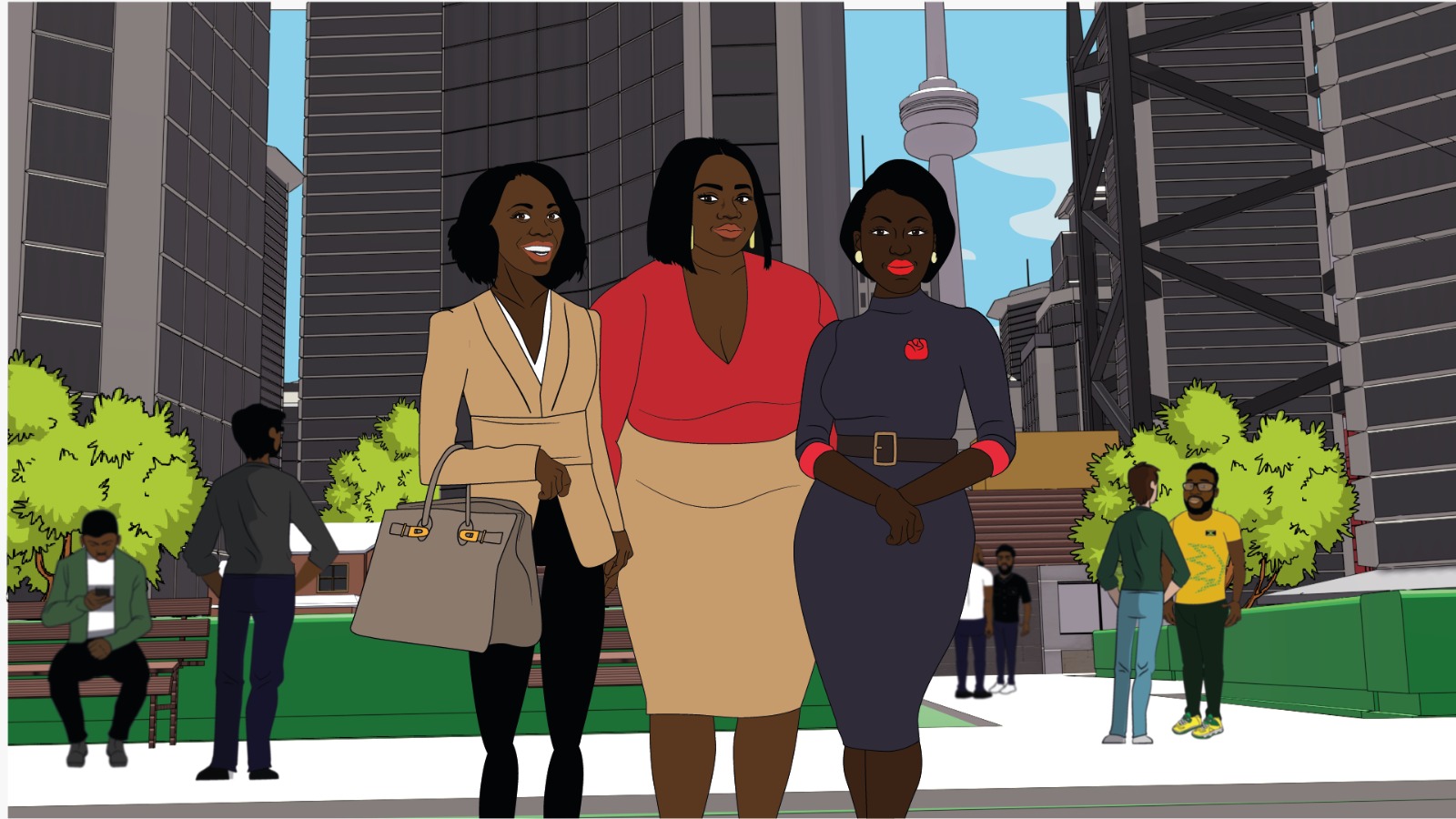
Character design from ACCHO’s PrEP Resource
Case Study: Building Trust Through Authentic Representation: A Culturally-Sensitive Approach to HIV Prevention
When we partnered with our client the African and Caribbean Council on HIV/AIDS in Ontario (ACCHO), the goal was to create a campaign that would truly connect with Ontario’s African, Caribbean, and Black (ACB) communities and raise awareness about PrEP (pre-exposure prophylaxis) as a preventive measure for HIV.
But we weren’t just looking to inform—we were looking to build trust, because we understand the historical mistrust Black communities have toward the healthcare system. We all know that healthcare hasn’t always been kind to Black folks. From medical racism to unethical practices, there’s a long history of discrimination and exclusion that’s hard to shake off.
So, when you’re creating content for a community that’s been let down time and time again, it’s not just about putting out a message. It’s about approaching it with care, authenticity, and cultural understanding.
That’s where we got really intentional. We worked with Maku Productions, a Toronto-based media studio known for its work with African, Caribbean, and Black communities. Together, we made sure the characters in the campaign weren’t just generic stock images but real, relatable people.
We created Black characters who were reflective of the diversity in Ontario’s ACB communities—real skin tones, hair textures, and outfits that felt familiar. And we placed these characters in everyday settings, like a barbershop, a restaurant, and a park. These are spaces where Black folks naturally come together, share advice, and have those honest conversations. It’s about meeting people where they already are.
But it didn’t stop at the visuals. We knew we had to make sure the voices matched the authenticity of the characters, so we brought in Black voice actors to narrate the stories. This was important. We wanted the people in these communities to hear voices they could trust, that felt like their own, talking about something that could save lives.
And we made sure the language and tone were right, too. We didn’t want it to sound like a lecture; we wanted it to feel like a conversation with someone who understood them, someone they could relate to.
At the end of the day, it’s not just about providing information—it’s about making sure that information is received in a way that feels respectful, culturally sensitive, and trustworthy. It’s about breaking down barriers, fostering understanding, and making sure people feel like they’re being heard.
Want to see how we brought all this to life? Check out the full case study here.
Why February Is the Perfect Time to Start
Black History Month is more than a moment—it’s a call to action. If your organization is serious about reaching new audiences and amplifying diverse voices, now is the time to take a step back, reflect, and commit to doing the work.
Because here’s the truth: culturally-sensitive content isn’t just about avoiding mistakes. It’s about showing respect, fostering understanding, and building meaningful relationships. It’s about creating something that connects deeply and authentically.
Let 2025 be the year your organization leads with intention, inclusivity, and care.
Need support creating culturally-sensitive content? Let’s connect. Schedule a strategy call with See Girl Work, and let’s make sure your campaigns reflect the values you stand for.